















































Effective strategies for controlling crane flies
Yellow patches in the lawn, thinning grass, or suddenly appearing bare spots – these are often not just caused by “simple dryness,” but by a problem below the surface: crane flies and their larvae (often referred to as “leatherjackets”). To get your lawn, ornamental garden, or vegetable patch back in good health, you will find a clear, practical guide here with natural measures – including a gentle product link to SC nematodes.
Causes: Where do crane flies come from?
Crane flies prefer to lay their eggs in damp lawn areas and loose soil. The actual problem is usually the larvae in the soil: they feed on the roots and the base of the grass – the lawn loses its stability, becomes more vulnerable, and can die off in patches. Areas that remain consistently damp over long periods are particularly at risk.
Typical risk factors
- Waterlogging or permanently damp lawn areas
- Dense, matted grass (thatch accumulation)
- Low air and soil activity (compacted areas)
- Mild, wet weather phases lasting several weeks
Detection: How do you notice a crane fly infestation?
Since larvae live in the soil, an infestation is often revealed by the damage pattern in the lawn. Additionally, birds, hedgehogs, or moles may become noticeable because they are searching for larvae – which in turn tears up the lawn even further.
Signs in the lawn & garden
- Yellowish, weak areas despite sufficient watering
- Bare patches that spread (especially after wet periods)
- Grass can be pulled out easily (roots are missing or damaged)
- Heavy bird feeding / pecking at the lawn (searching for larvae)
🐞 Tip: A quick practical check: lift a small piece of turf in a damaged area and examine the soil directly underneath. If you suspect larvae, measures that target the soil are often particularly effective – e.g., with SC nematodes.
Control: Natural measures that really help
For crane flies, a multi-stage approach is sensible: improve lawn care, promote soil aeration, and – if necessary – work specifically with biological beneficial organisms. This way, you reduce the infestation pressure without “harshly” treating the area.
1) Strengthen the lawn & reduce thatch
- Scarifying (as needed) to remove thatch and let air reach the soil.
- Aerating to reduce compaction and increase soil activity.
- Balanced fertilization (in moderation) to ensure the lawn grows back strongly.
2) Manage watering intelligently
- Water in the morning rather than the evening – this allows the surface to dry off better.
- It is better to water less frequently but thoroughly than to keep it “surface-wet” every day.
- Avoid waterlogging; improve soil structure if necessary (sand/compost depending on the original soil).
3) Biological soil aid: Use nematodes specifically
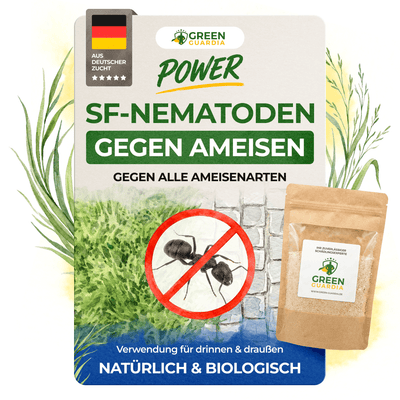
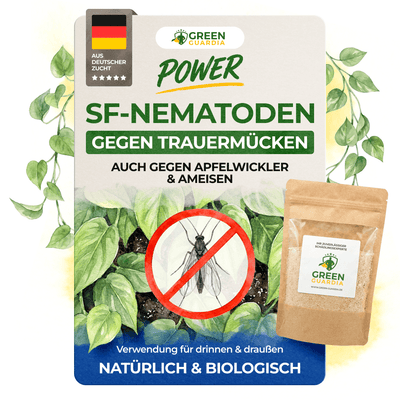
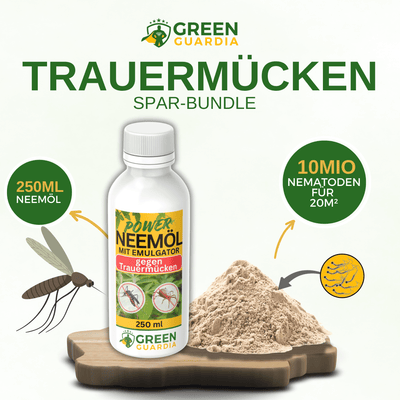
If the infestation clearly points to soil-dwelling larvae, a natural measure with SC nematodes is particularly useful. These are applied with water and work right where the larvae are: in the damp soil. Correct application is crucial – then it fits very well into a sustainable lawn and garden concept.
How the application works in practice
- Water the soil well beforehand so that the beneficial organisms can become active.
- Mix the nematodes into water and apply evenly (using a watering can/sprayer depending on the area).
- Water again afterwards to flush them into the upper soil layer.
- Keep the area slightly damp for the following days (do not let it dry out).
- Ideally, apply in the morning or evening (avoid bright sunlight).
✅ Practical note: The combination of lawn care (aerating/removing thatch) and targeted soil treatment is often the fastest way back to a dense turf. For natural, soil-based support, you can find our SC nematodes here.
Prevention: How to reduce infestation pressure long-term
A healthy, well-maintained soil is the best foundation against recurring problems. The goal is to keep the lawn drought-resistant and at the same time soil-active – without permanently damp, compacted zones.
Proven preventative measures
- Reduce thatch regularly (scarify as needed)
- Avoid soil compaction (aerating)
- Optimize watering (mornings, thorough, not “wet” every day)
- Overseed bare spots quickly so that the lawn stays dense
- For known problem areas: include SC nematodes as a natural component of your soil management
Frequently Asked Questions about Crane Flies
What damages the lawn more – the crane fly or the larvae?
In most cases, the larvae in the soil cause the main damage because they feed on the roots and grass base. That is why measures that target the soil are often particularly sensible – e.g., with SC nematodes.
How can I be sure it is really crane flies?
Typical signs are thinning or bare areas where the grass can be pulled out easily. A soil inspection (lifting a small piece of sod) often provides the best orientation, as larvae can be found directly underneath.
When is the best time for biological measures in the soil?
As soon as you see the first signs of damage and the soil is sufficiently damp. For application, it is important that the area does not dry out afterwards so that the beneficial organisms remain active.
Can I apply nematodes with a regular watering can?
Yes. Ensure an even application, a pre-watered soil, and make sure to water again afterwards. This helps the nematodes reach the upper soil zone where they are needed.
Take action now:
If your lawn shows typical damage patterns, it is best to act in two steps: first, optimize care and soil structure (remove thatch, aerate the soil, adjust watering) – and if you suspect larvae, use an additional targeted soil treatment. For natural support, you can find our SC nematodes here, helping you sustainably reduce infestation pressure and build your lawn back up so it is dense and resilient.


