


























Protecting Against Apple Blossom Weevils: Natural and Effective Solutions
When a noticeable number of flower buds fail to open in the spring and turn brown and dry, the apple blossom weevil is often to blame. This is particularly frustrating because it directly impacts the foundation of your future harvest. The good news is that you can significantly reduce the risk through early inspection, simple gardening measures, and a nature-friendly strategy.
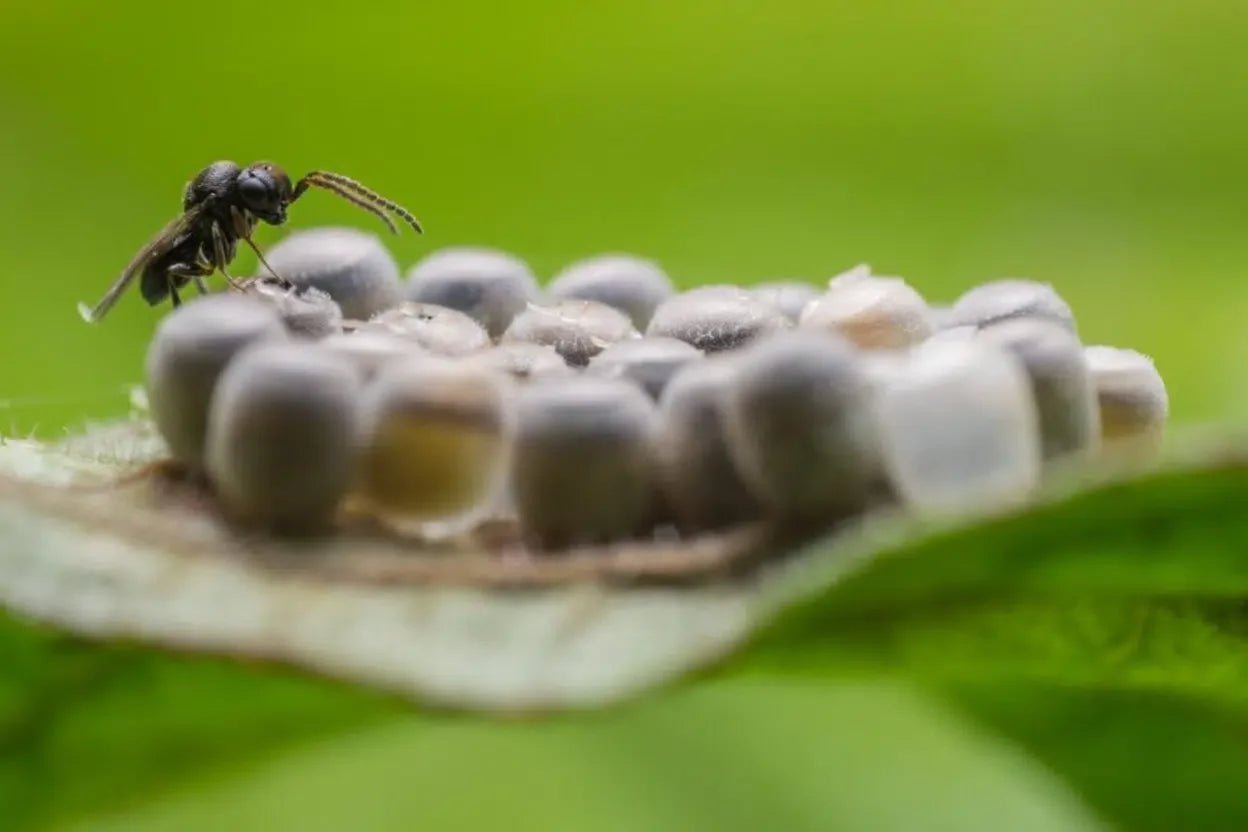
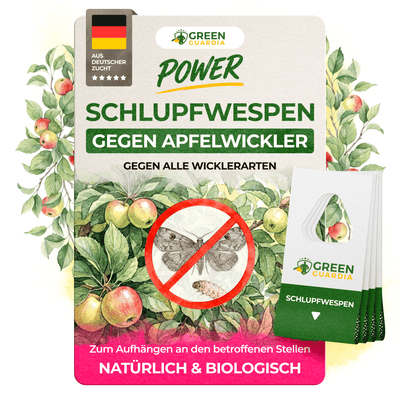
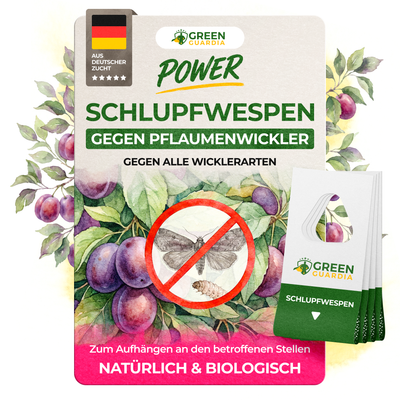
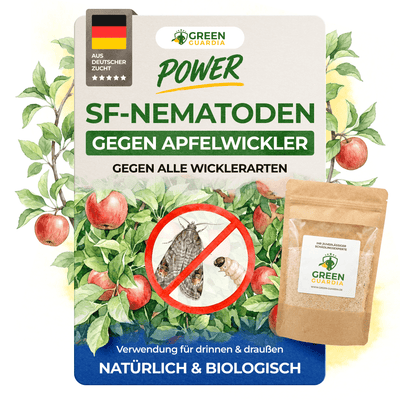
It is important to note that many gardeners confuse the damage seen on apple trees. While the apple blossom weevil targets buds and blossoms, other pests—such as the codling moth—cause problems for the fruit. For holistic orchard care, it can be useful to consider this phase as well, e.g., with SF nematodes for codling moth or ichneumon wasps for codling moth, to prevent later fruit damage without upsetting your garden's natural balance.
🍏 Tip: The biggest lever when dealing with the apple blossom weevil is timing: Those who inspect early and act consistently protect their blossoms and yield. For the later fruit phase, SF nematodes for codling moth and ichneumon wasps for codling moth can be a sensible, natural component.
Causes: Why do apple blossom weevils appear?
The apple blossom weevil (a small snout beetle) hibernates in sheltered areas, such as crevices in the bark, in fallen leaves, or near the ground. As soon as temperatures become milder in the spring, it becomes active, feeding on buds and laying eggs inside the flower buds. The larva develops inside, causing the bud to dry out and never open.
Which factors encourage infestation?
- Many hiding places (old leaves, bark crevices, unkept tree surrounds)
- Mild winters and early warm spells in spring
- Few natural predators due to monotonous gardens
- Lack of inspection during the bud phase (often only a few days are decisive)
Identification: How do you recognize apple blossom weevils?
You don't always see the beetle itself right away; you will more frequently recognize it by the damage it causes. Typical signs are dried-out flower buds that remain hanging on the tree like small brown "caps." This can occur on apple, as well as pear trees.
Typical signs in the garden
- Brown, dried-out buds that do not open
- "Pierced" buds (small puncture marks possible)
- Fewer blossoms in total, uneven flowering
- In cases of heavy infestation: significantly reduced fruit set
✅ Tip: Check your tree particularly carefully during the "bud swelling" phase. That is the moment when simple measures are most effective.
Control: Natural measures against apple blossom weevils
In home gardens and allotments, mechanical and preventive measures are often the best choice: They are environmentally friendly, protect beneficial insects, and can be implemented with little effort if you start in time.
1) Tapping & Collecting (early in the morning)
A proven method: Place a light-colored sheet (e.g., a cloth) under the tree and carefully tap the branches. Beetles are more sluggish in the morning, making them easier to collect.
2) Removing infested buds
Dried-out buds can contain larvae. Remove them consistently and dispose of them to ensure fewer new beetles develop.
3) Gardening naturally & promoting beneficial insects
A diverse garden with flowering plants, hedges, and retreats encourages natural predators (e.g., birds, predatory insects). This stabilizes the balance in the long term—a real benefit for fruit trees.
And because several pests often appear one after another in the orchard, a holistic strategy throughout the season is worth it. When the codling moth becomes relevant later on, SF nematodes for codling moth (near the ground, to reduce certain developmental stages) and ichneumon wasps for codling moth (for support during the season) can be a natural supplement—sensible, without the "chemical pressure" in your garden.
Prevention: How to protect your apple harvest permanently
Prevention is particularly effective against the apple blossom weevil. With a few fixed routines in the spring and a well-maintained tree environment, you can significantly reduce the risk year after year.
- Spring inspection from the time buds swell (a quick check is often enough)
- Keep the tree surround clean (reduce leaves and old plant material, without becoming "sterile")
- Structured environment for beneficial insects (flower strips, hedges, herbs)
- Regular airing & thinning: Maintain the crown so that blossoms dry off faster
- Think ahead for the season: If you experience later fruit damage on apples, prevent it specifically with SF nematodes for codling moth and ichneumon wasps for codling moth as a natural supplement
References (Orientation): Basic principles regarding integrated, beneficial-friendly measures in fruit growing are described by horticultural departments, chambers of agriculture, and official plant health information services.
FAQ about the Apple Blossom Weevil
How can I reliably identify the apple blossom weevil?
The most noticeable signs are the dried-out flower buds that do not open and turn brown. The beetle itself is small, brownish-gray, and has a short snout—you will often see the damage more than the insect itself.
Is the apple blossom weevil dangerous for my tree?
A healthy apple tree usually recovers well from minor damage. It becomes a problem if many buds are affected and blossoming is severely reduced—which can lead to a significantly smaller harvest. The tree itself usually does not die from this.
What can I do about apple blossom weevils in my home garden?
Inspections in the spring, tapping and collecting the beetles, and removing dried-out buds are decisive. With nature-friendly, diverse planting, you also promote natural predators—which stabilizes the orchard in the long term.
Why are solutions for codling moths often recommended in the orchard too?
Because different pests are active throughout the season: the apple blossom weevil affects the blossom, the codling moth more the fruit. Those who plan ahead can complement their strategy with natural components such as SF nematodes for codling moth or ichneumon wasps for codling moth —suited to the respective phase of the year.
Take action now:
Start early: inspect flower buds, tap the branches, and remove affected buds consistently—this way you protect your tree exactly when it counts. If you would like to seasonally safeguard your orchard, SF nematodes for codling moth and ichneumon wasps for codling moth can be a natural addition to protect the harvest in the long term.