









































Rose Leafhopper: Identifying leaf mottling & natural control
The rose leafhopper feeds on the undersides of leaves, causing typical light-colored mottling, making the leaves look "bleached" or silvery. This is quickly noticeable on roses – especially during warm, dry periods. With consistent monitoring, plant care, and suitable natural helpers, the infestation can be well regulated.
What is the rose leafhopper?
The rose leafhopper (Edwardsiana rosae) is a small, greenish-yellow leafhopper. It usually sits on the underside of the leaf and feeds on plant sap. This creates many small feeding marks that appear as light-colored mottling on the top of the leaf. In cases of severe infestation, leaves may turn yellow and fall off prematurely.
How to recognize an infestation
- Light-colored mottling ("little dots") on the top of the leaf
- Leaves look silvery, dull, or bleached
- Small leafhoppers/nymphs on the undersides of leaves
- Adult leafhoppers jump away when touched
- In case of severe infestation: Yellowing and leaf drop
Which plants are affected?
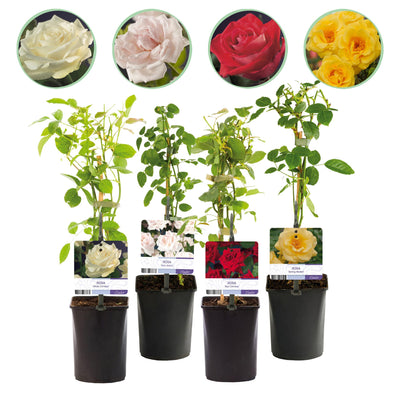
- Roses (primary host)
- Sometimes other rose family plants (depending on location)
Why does an infestation occur?
- Warm, dry weather promotes activity
- Dense, poorly ventilated crowns/plantings
- Weakened plants (drought stress)
- Few natural antagonists
What to do in case of infestation? (natural & sensible)
1. Regularly check the undersides of leaves
- Start early (from spring onwards), especially in sunny locations
- Remove heavily infested leaves (do not leave them in the flower bed)
2. Rinse (mechanical)
- Rinse the undersides of leaves with a strong jet of water
- Repeat several times if necessary (nymphs are more sensitive)
3. Strengthen the plant
- Water evenly (avoid drought stress)
- Promote airy growth (pruning/relieving the plant)
- Do not fertilize with excessive nitrogen
Natural helpers & beneficial insects
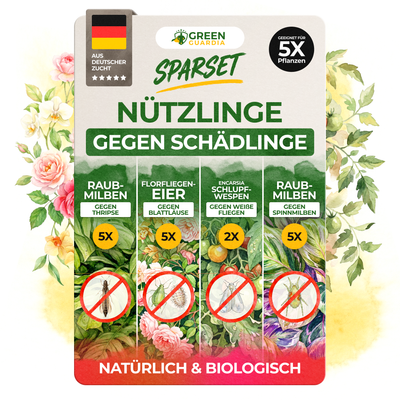
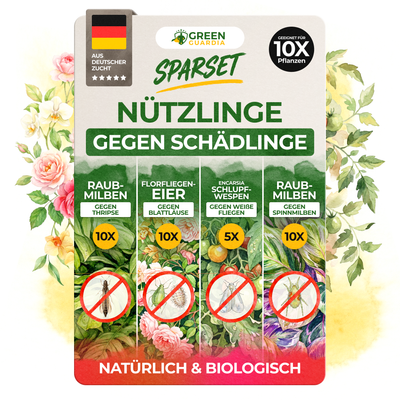
Beneficial insect recommendation: Lacewing larvae (against nymphs)
Lacewing larvae are versatile predators that eat various soft-bodied pests – including leafhopper nymphs on the undersides of leaves. They are particularly suitable if you already find visible nymphs and want to quickly reduce the pressure.
- Why suitable: Nymphs sit openly on the undersides of leaves – lacewing larvae can easily reach them.
- Why sensible: They act directly where the damage occurs (feeding marks).
- Practical tip: Combining with rinsing + removing heavily infested leaves speeds up success.
FAQ about the rose leafhopper
Is this dangerous for my rose?
Usually, it is primarily visually disturbing. However, in cases of severe infestation and drought stress, the rose can be weakened and lose leaves.
How do I distinguish rose leafhoppers from spider mites?
Spider mites often create fine webbing and pinpoint-sized brightening. With rose leafhoppers, you often see the insects/nymphs on the underside of the leaf – and adult animals jump away.
When should I take action?
As soon as you see the first mottling and find nymphs. Reacting early prevents severe leaf loss.
What is the best prevention?
Keep roses airy, water evenly, check leaf undersides regularly, and promote beneficial insects.